
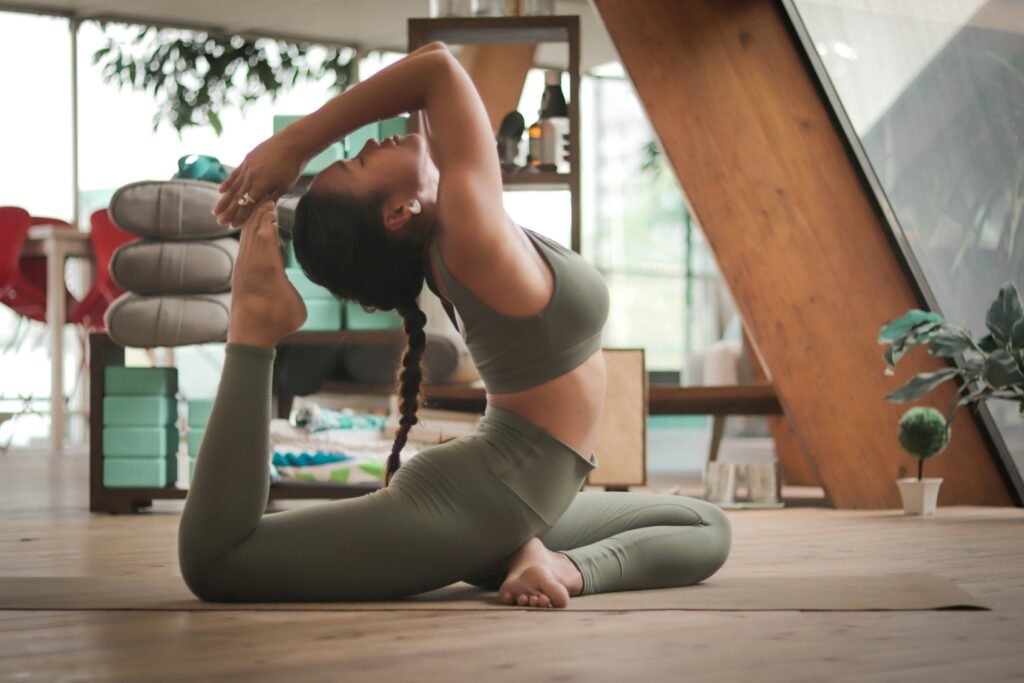
Understanding the Importance of a Dedicated Yoga Space
Creating a dedicated yoga space is essential for cultivating a consistent and effective practice. This personalized environment offers numerous psychological and physical benefits that can significantly enhance one’s yoga journey. By having a designated area, practitioners can immerse themselves more fully in their practice, allowing for deeper focus and mindfulness during their sessions.
A dedicated yoga space fosters an atmosphere of tranquility and peace, which is crucial for effective relaxation. When the environment is tailored to reflect the individual’s taste and preferences, it becomes a sanctuary that encourages regular engagement with yoga. This can be particularly advantageous for both beginners and experienced yogis, as the unique space serves as an invitation to explore their practice without distractions. The tranquil ambiance helps to cultivate an efficient practice routine that can enhance one’s commitment to yoga.
Moreover, a personalized yoga environment contributes to improved mental clarity and emotional stability. The physical space designated for practice can aid in separating yoga time from the hustle and bustle of daily life, effectively creating a mental shift that prepares the practitioner for a mindful session. By regularly returning to this sanctuary, individuals often find that they can more readily access a state of relaxation and focus, allowing them to tap into the expansive benefits of yoga.
Furthermore, a dedicated space can stimulate self-growth by encouraging practitioners to engage in deeper exploration of their physical and spiritual journeys. This environment simplifies the process of discovering new poses, meditation techniques, and breathing exercises tailored to one’s personal needs and goals. In essence, establishing a dedicated yoga space is a valuable step toward enhancing the overall yoga experience, leading to a more profound connection with oneself and one’s practice.
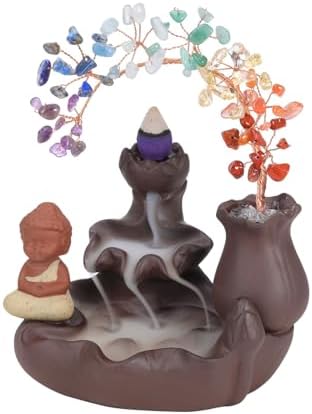
- 【Backflow Incense Burner】The incense burner is made of ceramic material, this Crystal incense waterfall has be designed …
- 【Multi-functional Waterfall Incense Holder】Gemstone money tree incense holder, healing and decorative. Waterfall Incense…
- 【Specifications】The backflow incense burner base size: 4.33″(10.5cm), height is approximately 6.3-6.99″(16-17cm); The we…
Key Elements of an Ideal Yoga Space
Creating an ideal yoga space is fundamental to establishing a dedicated practice that fosters mindfulness and tranquility. The first element to consider is the location. A quiet area within your home, free from distractions, is essential. This could be a spare room, a corner of your living space, or even a balcony where you can connect with nature. The choice of location sets the tone for your practice and allows for uninterrupted engagement with each session.
Lighting plays a crucial role in cultivating an inviting atmosphere. Natural light is often preferred due to its calming effects; however, soft artificial lighting can also enhance the mood. Dimmer switches and lamps with adjustable brightness allow for further customization, enabling you to create a serene environment conducive to relaxation and focus.
Flooring is another vital aspect. A smooth, firm surface is ideal for a yoga mat, providing the necessary support and stability during various poses. Hardwood floors, bamboo, or cork are excellent options that complement the aesthetic of your yoga space and ensure comfort while practicing.
Decor elements should evoke a sense of peace and inspiration. Soft colors, soothing artwork, or nature-themed motifs contribute to an inviting environment. Consider incorporating plants or natural elements such as stones or crystals to further enhance the ambiance. These personal touches can uplift your spirits and motivate your practice.
Additionally, essential accessories are crucial for a complete yoga experience. High-quality mats, blocks, and bolsters are must-haves for supporting your practice and ensuring proper alignment. Arrange these props within easy reach, enabling a fluid transition between poses. This thoughtful organization enhances your practice while promoting efficiency and mindfulness. Prioritizing these key elements will significantly enhance your yoga experience, making it a sanctuary for self-discovery and relaxation.


Incorporating Nature and Feng Shui in Your Yoga Space
Creating a serene yoga space goes beyond the choice of mats or props; it involves harmonizing the environment using nature and the principles of Feng Shui. Integrating natural elements can significantly enhance the ambiance of your yoga sanctuary, creating a calming atmosphere conducive to mindful practice. One effective method is to incorporate a variety of plants. Indoor plants, such as peace lilies or snake plants, not only contribute to the aesthetics but also improve air quality, fostering a healthy environment for your yoga sessions.
Natural light is another crucial factor to consider when establishing your yoga space. Opt for a location that receives ample sunlight, allowing the warmth of the sun to permeate the area. Sunlight has been shown to elevate mood and energy levels, which can positively influence your practice. If natural light is limited, consider using full-spectrum light bulbs to mimic sunlight and create an inviting atmosphere. Additionally, selecting earthy colors for the walls and decor can further connect your space to nature. Soft greens, browns, and neutral tones evoke a sense of calm, making it easier to engage in mindful practice.



Feng Shui principles can also play a vital role in creating a balanced environment. The layout of your yoga space should encourage a smooth flow of energy, known as “Chi.” Arrange your mat in a way that allows for unobstructed movement and sightlines. Avoid clutter, as it can disrupt energy flow and create distractions. Introducing elements such as stones, crystals, or a small water feature can contribute to positive energy and enhance your connection with the environment. By thoughtfully incorporating nature and Feng Shui principles, you create a harmonious yoga space that not only supports your practice but also nurtures your mind and spirit.
Personalizing Your Yoga Space for Motivation and Inspiration
Creating a yoga space that resonates with your personal style is a vital aspect of establishing a meaningful practice. By infusing your environment with personal touches, you can cultivate motivation and inspiration that enhances your overall yoga experience. To achieve this, consider integrating meaningful artwork that speaks to your journey and aspirations. Art can evoke emotions and serve as a visual reminder of your goals, inviting positivity and reflection into each session.
Scent is another powerful tool for personalizing your yoga space. Introducing calming aromas through essential oils, incense, or scented candles can transform the atmosphere and elevate your practice. Scents like lavender, sandalwood, or eucalyptus not only promote relaxation but also create a signature ambiance that you will associate with your practice. As you explore various fragrances, pay attention to how each one influences your mindset and motivation during your sessions.
Moreover, consider displaying motivational quotes that resonate with your philosophy and ambitions. Whether it is a personal mantra or a phrase from an inspiring figure, placing these affirmations in your yoga area serves as a constant reminder of your commitment to growth and mindfulness. You can frame these quotes or write them on a chalkboard, ensuring they are visible and within reach during your practice. Additionally, creating a dedicated corner for journaling can allow you to track your thoughts, insights, and progress over time.
Finally, remember that your yoga space should reflect your inner self. Choosing colors, fabrics, and decor that resonate with your personality and beliefs will create an environment where you feel comfortable and supported. As you personalize your yoga sanctuary, you will naturally cultivate a sense of belonging and purpose, ultimately enhancing your motivation and inspiration for each practice.