

Understanding Essential Oils
Essential oils are concentrated extracts derived from various parts of plants, including flowers, leaves, stems, and roots. Their long history dates back to ancient civilizations, where they were primarily used not only for their aromatic properties but also for medicinal purposes. The origins of essential oils can be traced to cultures such as the Egyptians, who utilized oils in embalming, as well as the Greeks and Romans, who explored their therapeutic potential.
The extraction of essential oils occurs through several methods, the most common being steam distillation, cold pressing, and solvent extraction. Steam distillation involves using steam to separate the essential oil from plant materials, while cold pressing is primarily used for citrus oils, where pressure is applied to extract the oil from the peel. Solvent extraction, on the other hand, utilizes chemical solvents to obtain the oil but is less favorable due to potential residues. The method employed significantly impacts the oil’s quality and purity, which are crucial for their effectiveness in wellness practices.
Purity is paramount when choosing essential oils, as synthetic additives can compromise their therapeutic benefits. Essential oils are categorized into various types, such as single-note oils like lavender or peppermint and blended oils that combine different scents for synergistic effects. These oils can support emotional and physical well-being, with aromatherapy being one of the most common applications. They can promote relaxation, uplift mood, invigorate the senses, and foster mental clarity.
Furthermore, essential oils can be integrated into yoga practices, enhancing the overall experience by creating a calming atmosphere. The inhalation of specific scents may help deepen the meditative state and foster a stronger mind-body connection. The versatility of essential oils underscores their significant role in wellness and self-care, making them a valuable addition to any holistic health regimen.
The Synergy of Essential Oils and Yoga
The integration of essential oils into yoga practice can significantly enhance the overall experience, promoting both physical and mental well-being. Aromatherapy serves as a tool to create an atmosphere that fosters calmness and focus, crucial for an effective yoga session. The use of essential oils can assist in setting intentions, as well as providing sensory cues that deepen the practitioner’s engagement with their practice.
Different essential oils possess unique properties that align with various yoga intentions. For instance, grounding oils like Vetiver and Cedarwood can help practitioners feel more connected to the earth, promoting stability during challenging poses. In contrast, oils such as Peppermint or Lemon can invigorate the mind and body, making them ideal for energizing practices. These oils stimulate mental clarity and focus, facilitating a more productive session.

- Experience the pure and soothing aroma of Cedarwood essential oil
- 15ml bottle for long-lasting use and versatility in various applications
- Promotes relaxation, balance, and a calming atmosphere
Calming oils like Lavender and Chamomile are particularly effective in promoting relaxation and mindfulness. By diffusing these oils before or during practice, individuals can create a serene environment that allows for deeper meditation and reflection. Incorporating these scents can guide the mind towards a state of tranquility, helping to release stress and anxiety.
Moreover, specific essential oils can enhance the breath by opening up the airways or providing a refreshing aroma that encourages full, deep inhalations. This focus on breath is central to yoga, making the use of essential oils not just complementary but integral to the practice. By blending the ancient art of yoga with the therapeutic benefits of aromatherapy, practitioners can achieve a heightened sense of peace and awareness.
A thoughtful selection of essential oils allows yogis to tailor their sessions according to their emotional and physical states, thus offering a highly personalized yoga experience. The synergy created by the blend of yoga and essential oils deepens both the physical practice and the meditative journey, ultimately enhancing the holistic benefits of yoga.
How to Incorporate Essential Oils into Your Yoga Routine
Integrating essential oils into your yoga practice can significantly enhance your experience, promoting both physical and emotional well-being. The process begins with selecting the appropriate oils that align with your personal intentions and needs. For example, lavender is known for its calming effects, while citrus oils, like lemon and orange, can invigorate and uplift your spirit. Consider what you aim to achieve during your practice; this will guide your essential oil selection.
Once you have chosen the oils, there are several methods for application. One popular method is diffusion, wherein essential oils are dispersed into the air using a diffuser. This method allows the aromatic benefits to permeate the space, creating a serene environment. Alternatively, topical application involves mixing essential oils with a carrier oil, such as coconut or almond oil, before massaging it onto pulse points or specific areas of tension. Remember to perform a patch test to check for any skin sensitivities.


Timing is another crucial aspect to consider when incorporating essential oils into your routine. You may find benefits in using oils before your practice to help set an intention, such as grounding yourself or promoting focus. Applying oils during practice can enhance the connection to breath and movement, while using them post-practice may aid in recovery and relaxation.
Safety is paramount when utilizing essential oils. Always ensure proper dilution of oils when applying them topically to avoid skin irritation. It is advisable to consult guidelines on essential oil safety and perform sensitivity tests prior to extensive use. Ultimately, when used thoughtfully and intentionally, essential oils can greatly enrich your yoga experience, supporting your physical and mental wellness journey.
Recommended Essential Oils for Different Yoga Practices
Integrating essential oils into your yoga routine can greatly enhance your experience, aligning aromas with the unique objectives of each style. Below is a curated selection of essential oils tailored for various yoga practices, along with their benefits and suggested blends.
For Hatha Yoga, which emphasizes static postures and deep breathing, consider using Lavender essential oil. Known for its calming properties, lavender helps to alleviate stress and promotes a peaceful atmosphere conducive to meditation. A simple blend of lavender and Eucalyptus can invigorate the senses while maintaining relaxation, ideal for those looking to ground themselves during their practice.
Vinyasa Yoga, characterized by its dynamic flow, can benefit from Bergamot essential oil. This oil is known to uplift the spirit and enhance mental clarity, making it perfect for those engaging in a vigorous practice. A recommended blend might include Bergamot and Peppermint, which not only energizes the body but also helps in improving focus and concentration throughout your session.
For Restorative Yoga classes, which focus on deep relaxation and recovery, try using Frankincense essential oil. This oil is revered for its ability to promote tranquility and enhance spiritual awareness. Combining Frankincense with a touch of Chamomile can further enhance the calming effects, allowing for a soothing experience that encourages deep relaxation and reflection.
To apply these essential oils effectively, consider using a diffuser during your sessions, or create a personal yoga oil blend by diluting with a carrier oil for topical application. Always test for skin sensitivity before using any essential oil directly on the skin. By choosing the right essential oils and blends, you can elevate your yoga practice to a more holistic level, aligning physical movements with sensory experiences for greater fulfillment.
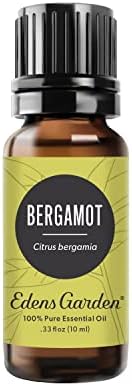
- SWEET & REFRESHING- Bergamot essential oil, derived from the peel of bergamot fruit. Known for its sweet and refreshing …
- WAYS TO USE- Bergamot essential oil can be diffused to create a calming and uplifting atmosphere, helping to alleviate s…
- BLENDS WELL WITH- Bergamot essential oil blends exceptionally well with floral oils like Lavender, Geranium, and Rose, c…