

Introduction to Yoga for Beginners
Yoga is a holistic practice that blends physical postures, mental focus, and deep breathing. It has been utilized for centuries, originating in ancient India, and has grown in popularity worldwide due to its numerous benefits for both physical and mental health. For beginners, yoga serves as an accessible pathway to enhance flexibility, strength, and balance, while simultaneously promoting relaxation and mindfulness.
The practice of yoga is not merely a physical exercise; it is a way to cultivate a deeper connection with oneself. For individuals new to this discipline, an understanding of its foundational aspects is crucial. Yoga emphasizes the importance of observing proper technique, which can prevent injuries and maximize the effectiveness of each pose. As beginners embark on their yoga journey, they should approach their practice with an open mind and a spirit of curiosity.
Practicing yoga at home offers unique advantages. It allows individuals to establish a routine in a comfortable environment, free from the pressures often associated with a studio setting. Moreover, home practice can be adapted to fit personal schedules and preferences, making it easier for beginners to incorporate yoga into their daily lives. Online tutorials and instructional videos have made it increasingly straightforward to learn and refine poses, even for those who may have no prior experience.
Another vital component of yoga is mindfulness, encouraging practitioners to be present in the moment. This mental aspect contributes to stress reduction and enhanced emotional well-being, addressing the demands of contemporary life. As beginners explore various poses, cultivating awareness of breath and body movements will foster a more enriching experience.
In summary, yoga provides an excellent entry point for beginners looking to improve their physical and mental health. Its adaptability, combined with the focus on technique and mindfulness, makes it an ideal practice to undertake at home.
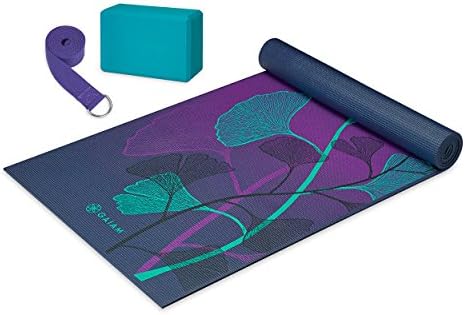
- YOGA KIT FOR BEGINNERS: The Gaiam yoga mat with strap for stretching and yoga block for support is a great introduction …
- FASHION PRINT WORKOUT MAT: Our yoga mat for women and men features a vibrant, printed design to complement your meditati…
- VERSATILE SET: This yoga block and strap set is a complete kit with everything you need to master the basic skills of yo…
Essential Yoga Gear for Home Practice
Starting a yoga practice at home can be both fulfilling and accessible, particularly for beginners. To ensure a positive experience, it is crucial to have the right yoga equipment. The most fundamental piece of gear is a yoga mat. A quality mat provides necessary grip and cushioning, ensuring stability and comfort during various poses. For beginners, investing in a non-slip mat that is thick enough to accommodate different practices can significantly enhance your practice.
In addition to a yoga mat, newcomers may find yoga blocks beneficial. These versatile tools assist in achieving proper alignment and balance when poses may feel challenging. Blocks can make poses more accessible, allowing practitioners to gradually progress in their flexibility and strength over time. Similarly, yoga straps can aid in deepening stretches and improving reach, particularly for those who might not yet possess the flexibility required for specific poses. A simple cotton or nylon strap can be an excellent addition to your yoga gear.
Comfortable and breathable clothing is also essential for a successful home yoga session. Wear attire that allows for ease of movement while ensuring you feel supported. Look for moisture-wicking fabrics that promote comfort during practice. When dressing for yoga, avoid overly baggy clothing, as it can restrict your movements or shift during poses.
Creating a conducive environment is vital in fostering a productive home practice. Choose a quiet space free from distractions, preferably with good ventilation. Dim lighting or natural light can help establish a calming atmosphere. Consider adding personal touches, such as candles or plants, to enhance your yoga environment further. These elements collectively contribute to a focused and serene yoga experience, ultimately facilitating a smoother practice that promotes mindfulness and relaxation.

10 Easy Yoga Poses for Beginners
Yoga is an excellent practice for individuals at all levels of fitness, especially beginners. Here are ten easy poses that cater to various aspects of fitness, including flexibility, strength, and balance.
1. Mountain Pose (Tadasana)
Stand tall with your feet together, arms by your sides. Inhale, raise your arms overhead, and gaze upwards. This pose improves posture and balances the entire body.
2. Downward Facing Dog (Adho Mukha Svanasana)
Begin on your hands and knees, tuck your toes, and raise your hips, creating an inverted V. Pedal your feet for stretching. This pose enhances flexibility and builds strength in the arms and legs.
3. Child’s Pose (Balasana)
Kneel with your big toes together, sit back on your heels, and extend your arms forward or relax them alongside your body. This restorative pose encourages relaxation and alleviates stress.
4. Cat-Cow Stretch (Marjaryasana-Bitilasana)
On all fours, alternate between arching your back (cat) and lowering your belly towards the floor (cow). This flow increases spinal flexibility and relieves tension in the back.
5. Warrior I (Virabhadrasana I)
Step one foot back, bend the front knee, and raise your arms overhead, keeping your gaze forward. This pose builds strength and concentration while opening the hips.
6. Warrior II (Virabhadrasana II)
From Warrior I, open your arms parallel to the floor and turn your head to look over your front fingertips. This enhances stamina and promotes a sense of empowerment.
7. Tree Pose (Vrksasana)
Stand on one leg, place the sole of the other foot on the inner thigh or calf, and bring your hands to prayer at your chest. This pose develops balance and improves focus.
8. Seated Forward Bend (Paschimottanasana)
Sit with legs extended, inhale to lengthen your spine, and exhale as you hinge at your hips to reach towards your feet. This pose stretches the lower back and hamstrings.
9. Bridge Pose (Setu Bandhasana)
Lying on your back with knees bent, feet flat, and hip-width apart, lift your hips while pressing into your feet. This pose strengthens the glutes and opens the chest.
10. Corpse Pose (Savasana)
Lie comfortably on your back with arms resting beside you. Focus on your breath and allow your body to relax. This pose is essential for complete relaxation and mindfulness.
Practicing these easy yoga poses regularly can build a strong foundation for a lifelong yoga journey, enhancing flexibility, strength, and inner peace.


Tips for a Successful Home Yoga Practice
Establishing a successful yoga practice at home requires intention and a structured approach. To begin your journey, it is beneficial to create a regular schedule for your sessions. Consistency is key in yoga; this can mean setting aside time daily or several times a week, ensuring that your practice becomes a rewarding part of your routine. Determine the times when you feel most energized and focused, as this can significantly enhance your practice. Setting reminders may also help you stick to your schedule.
Listening to your body is crucial during at-home yoga sessions. Each individual has a unique physical structure and varying flexibility levels. As a beginner, it is essential to honor your body’s sensations and limitations. When trying out different poses, pay attention to how you feel and modify them as needed to fit your comfort level. Remember that yoga is not a competition; it is about personal growth and mindfulness.
Incorporating mindfulness and meditation practices can further enrich your yoga experience at home. Taking a few moments before or after your physical practice for deep breathing or meditation can help center your mind and heighten your awareness, allowing for a deeper connection to your practice. These techniques foster a calm mental state and enhance overall well-being.
Utilizing online resources, such as apps and video tutorials, can also be immensely beneficial for beginners. Many platforms offer classes led by experienced instructors, which can guide you through various poses and sequences at your personal pace. Look for resources that resonate with your style and learning preferences.
As you embark on this journey, remember to remain patient with yourself. Yoga is about cultivating a sense of balance and understanding; enjoy the process without judgment. With time and practice, the benefits of yoga will unfold naturally, leading to a fulfilling home practice.